Editorial Brand Portraits Dubai: What Sets Them Apart
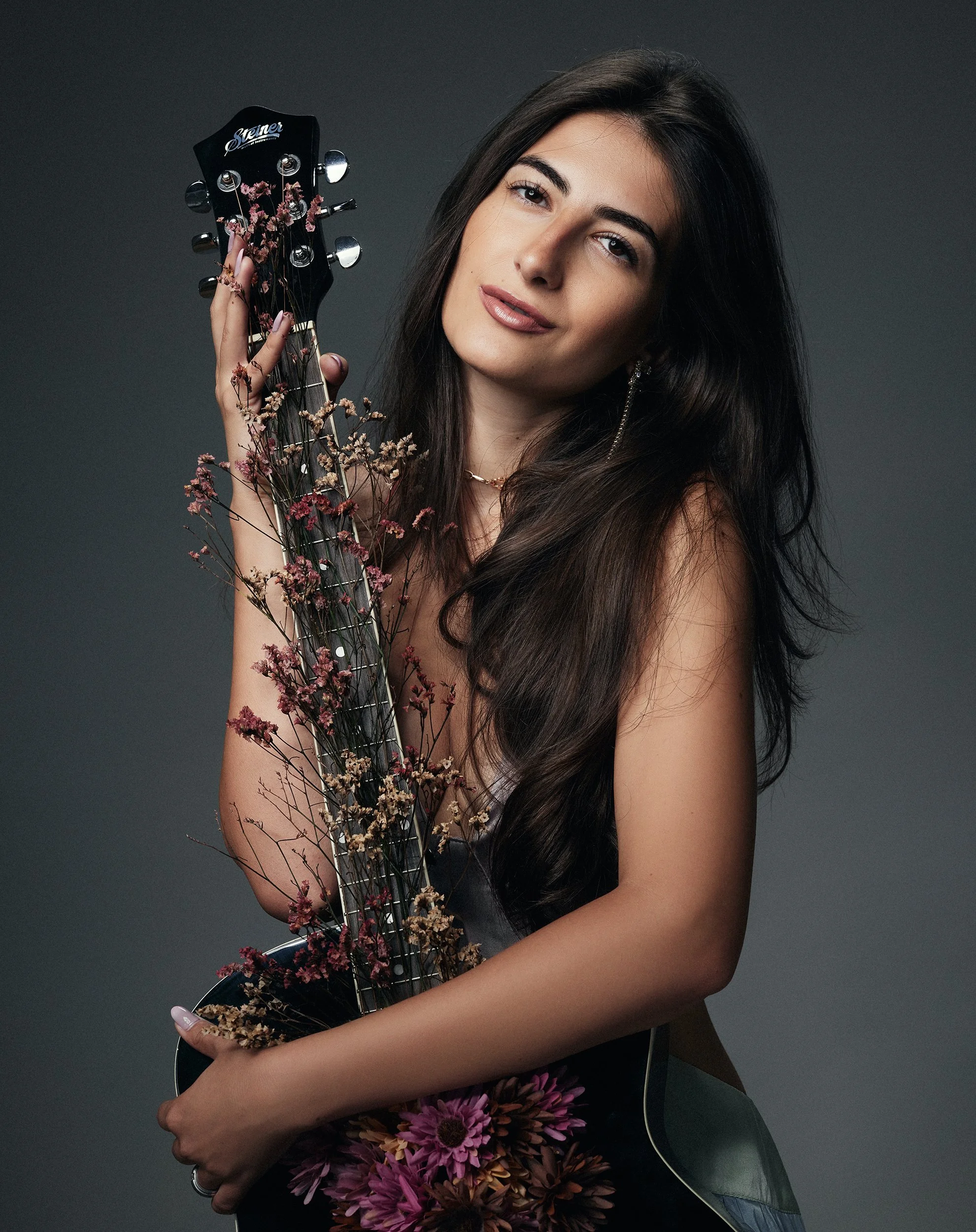
When most people think about updating their professional image, they imagine a spotless studio, a plain backdrop, and a sharp, polished portrait. That kind of photo does its job: it shows what you look like. But an editorial brand portrait is a whole different thing. It’s about showing who you are, what you lead, and the world that surrounds your work.
In Dubai and across the UAE, where visuals make those all-important first impressions in boardrooms, press features, and online, the gap between a regular headshot and an editorial portrait is the gap between being noticed and being remembered.
This guide is for professionals who know that positioning is a strategy. If you’re a founder, senior executive, author, artist, or public-facing creative, your image is part of your brand. It appears in press kits, publication pages, and across LinkedIn, where investors, partners, and media are looking. It needs to make an impact.
HOW EDITORIAL PORTRAITS DIFFER FROM STANDARD BUSINESS IMAGES
A portrait shot for editorial use borrows from the same playbook as a magazine feature. Framing, lighting, and setting all carry meaning. You’re not just standing in front of a camera; you’re placed in a scene that reinforces your authority, your industry, and your perspective.
Standard headshots have their place. They’re neat, consistent, and work well for simple directories. But they’re mainly there to confirm identity, not to tell your story.
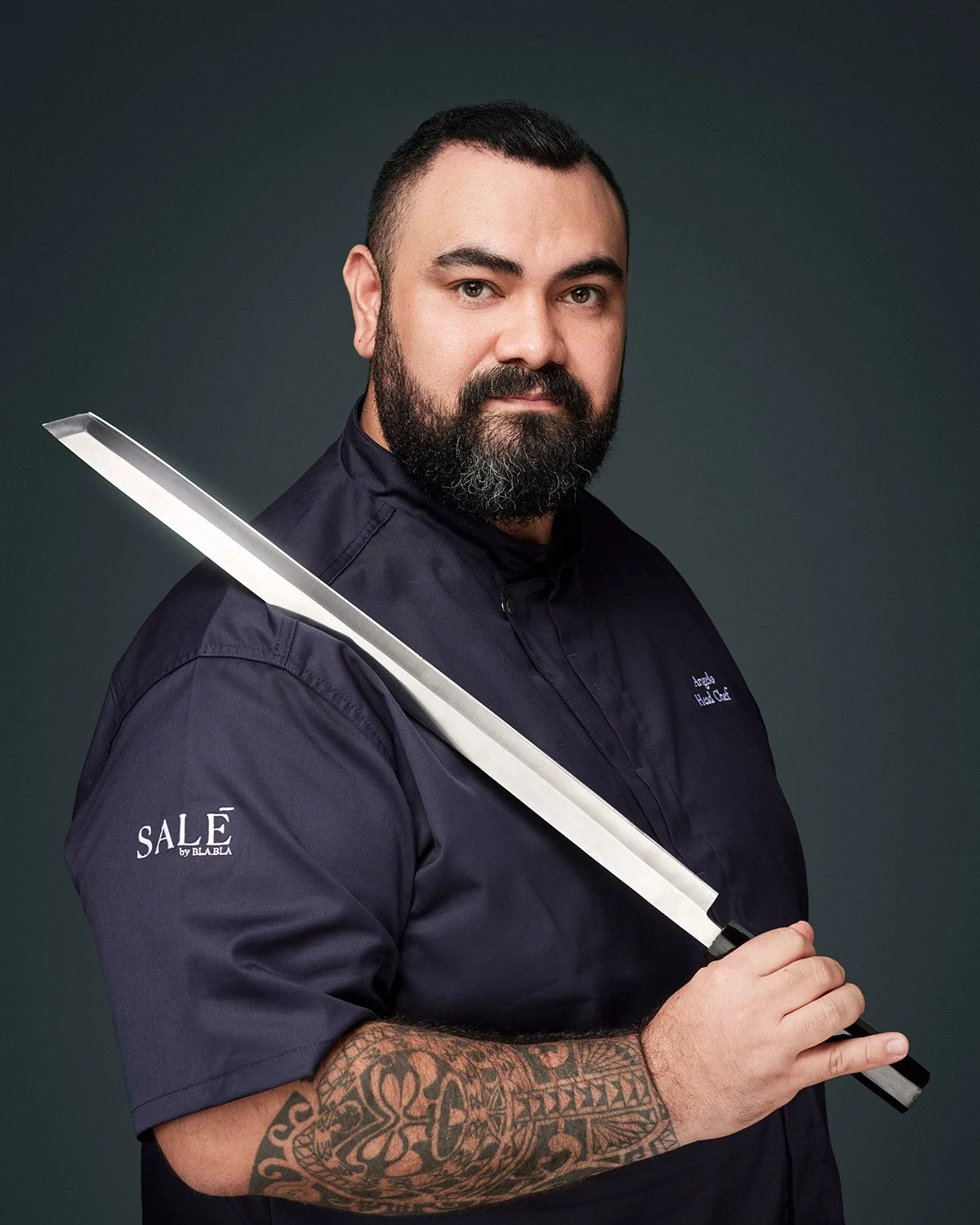
An editorial brand portrait pushes further. It builds mood, adds depth, and presents you as someone whose work is part of something bigger.
When an Editorial Portrait Makes Sense
Classic headshots work fine for a basic team directory. But if you're assembling a press kit, pitching a magazine feature, or launching a high-visibility website, a standard portrait falls flat. You need an image that actually communicates.
Context changes what people expect. A journalist researching your background, an editor picking a cover image, or a conference organizer building a speaker lineup will instantly notice when an image belongs in a publication. A photo with editorial weight signals that you operate at that level.
WHAT THESE IMAGES NEED TO COMMUNICATE
The images that work best for executives and public-facing creatives convey authority, personality, and presence all at once, and they look striking across every platform.
Authority: True authority doesn’t come from a stiff pose or an expensive suit. It lives in how the shot is composed, how the light falls, and the decisions made before anyone picks up the camera. When you’re lit to add dimension and placed in an environment that fits your work, you look naturally aligned with your role.
Personality: The best editorial portraits strike a crucial balance: you look credible, but you still look like yourself. Achieving that natural feel requires both technical skill and clear direction during the shoot.
Professional Presence: Professional presence is the final touch. It shows the image was created with intent, that you own your space, and that your standards extend to how you present yourself visually.
Multi-Platform Utility: LinkedIn, Websites, and Press Kits
A great editorial portrait goes beyond a single platform. The same shot, or a set from the same session, can anchor your LinkedIn profile, website bio, press kit, and PR releases.
Consistency builds recognition. When a journalist grabs your photo for an article and it aligns seamlessly with your website, that visual thread reinforces your credibility. In Dubai's fast-paced market, your image needs to perform everywhere at once.
HOW NARRATIVE IS BUILT IN THE FRAME
Storytelling in a portrait doesn’t happen by accident. Light, location, and composition work together to shape how someone perceives you before reading a single word.
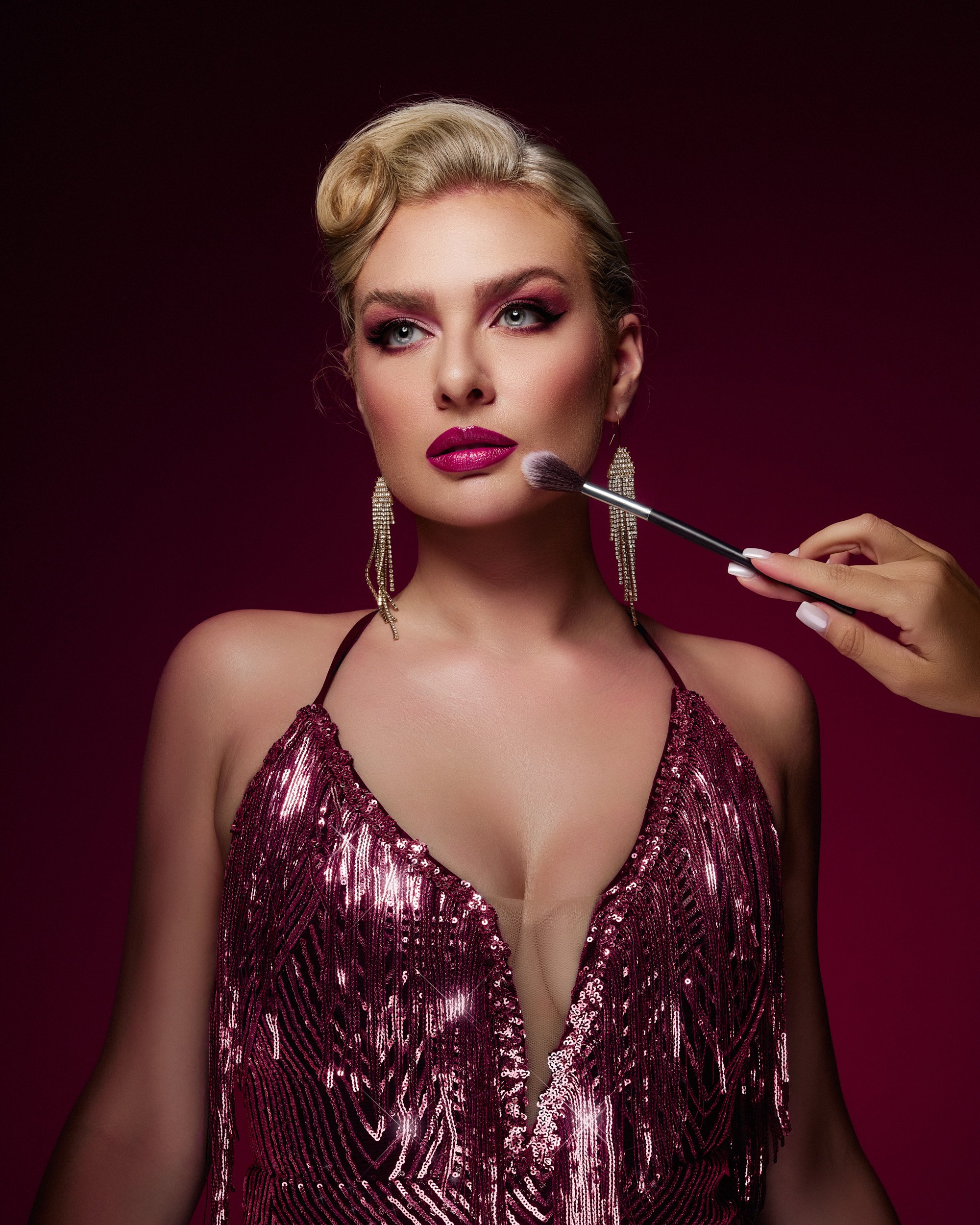
That mood is sculpted in-camera during the shoot, not fabricated in post-production.
Cinematic Lighting and Mood
True cinematic lighting is less about theatrical drama and more about dimension. A hard key light sculpting a jawline sends a completely different message than a large softbox wrapping a subject in soft, neutral light.
High-end portraiture relies on specialized tools like Fresnel lenses, optical snoots, and beauty dishes. These exist because each modifier shapes shadow and highlight contrast differently.
Using Context to Tell the Story
Every element in the frame either adds to your story or distracts from it. Bare architectural lines, ambient sunlight through a window, or a textured wall all serve to ground the subject.
When environmental choices are deliberate, the photo communicates scale and authority instantly. Positioning an executive in a space that reflects their industry carries far more weight than standing in front of a generic backdrop.
CHOOSING THE RIGHT SETTING IN DUBAI
Where you shoot is the quickest way to add context. Location selection is as much about strategy as it is about logistics.
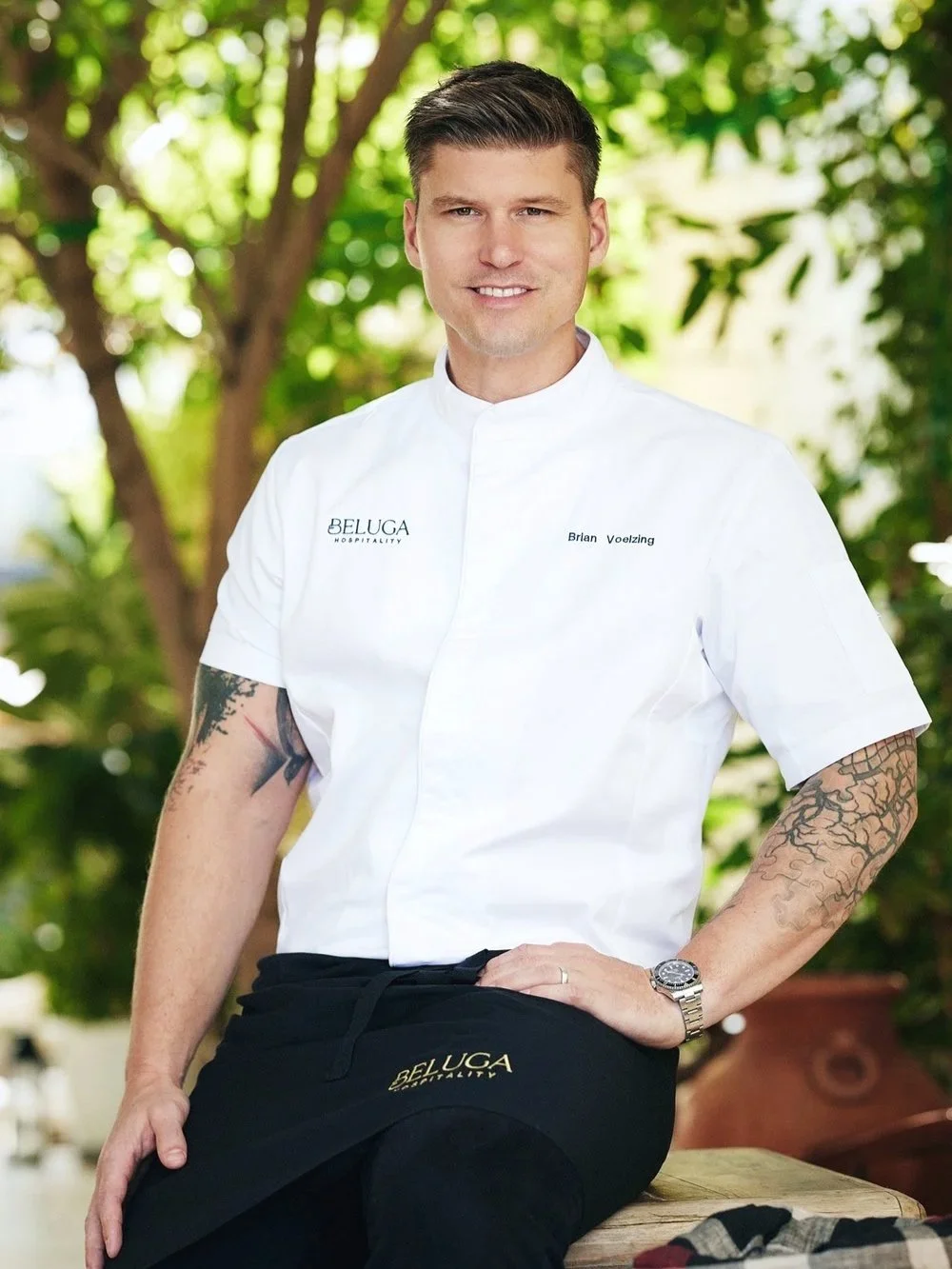
Placing a leader in their natural element communicates scale and authority instantly.
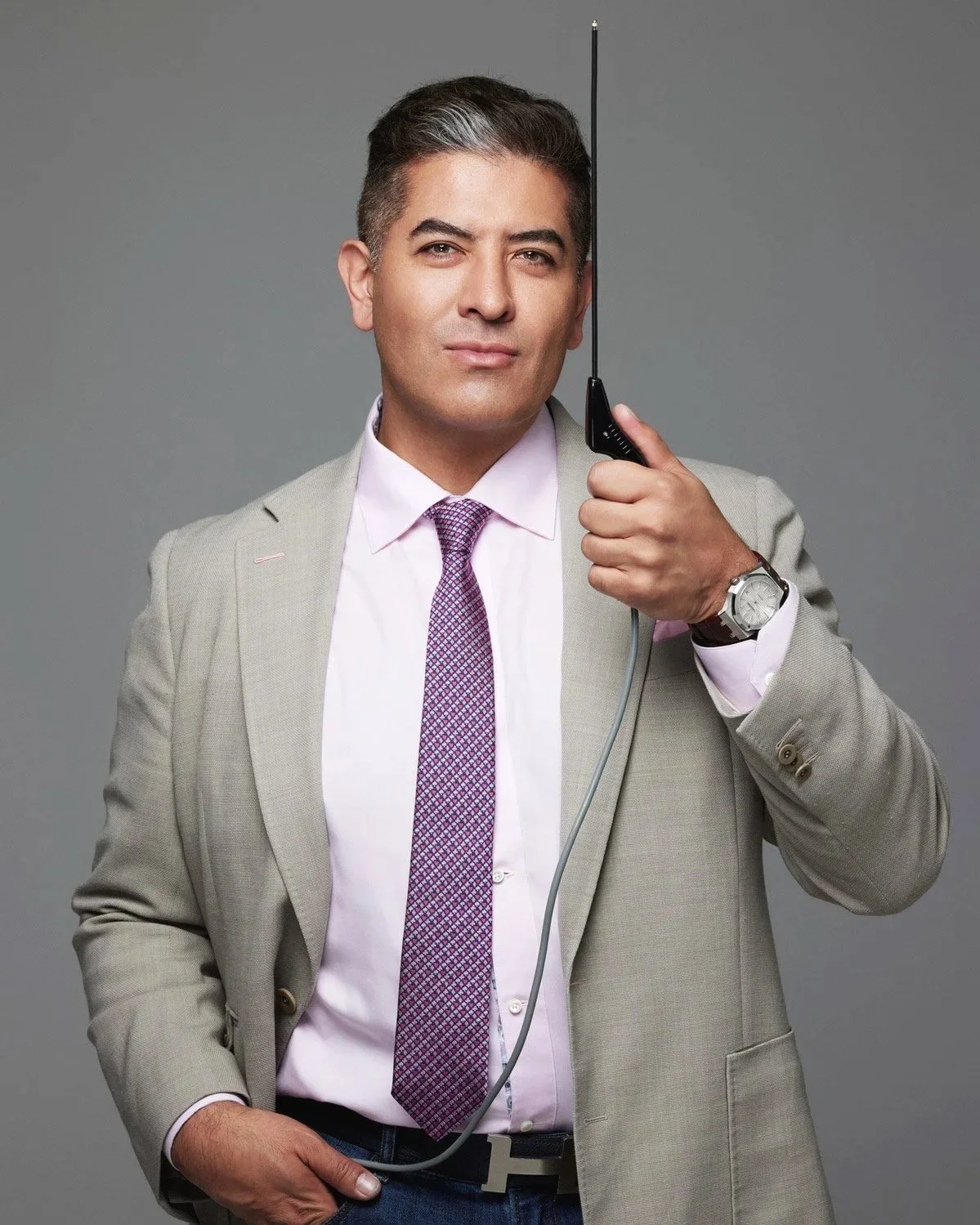
Offices, Curated Spaces, and Rental Studios
Shooting inside an actual workplace brings an authenticity you can’t fake. The space reflects where you build your business, making the image feel grounded and believable.
When you need total control over light and setup without disturbing a busy workplace, Dubai’s dedicated rental studios are the ideal alternative. They offer custom architecture and room to design specific sets for high-end editorial work. Off-site locations, like design-forward interiors, rooftops, or architectural landmarks around Dubai, also provide rich visual context without pulling focus away from you.
When Studio Simplicity Still Works Best
A plain studio setup is often the most tactical choice. If you’re building a brand system and need a uniform look across a whole executive team, a simple studio setup guarantees total consistency.
Stripping away background elements focuses everything on expression, posture, and light. When press kits or website directories require tight cropping, that clean simplicity is practical and direct.
WHO BENEFITS MOST FROM THIS APPROACH
Editorial brand portraits are built for individuals whose public image directly impacts their business value. Speaking gigs, media features, and executive appointments all depend on credibility.
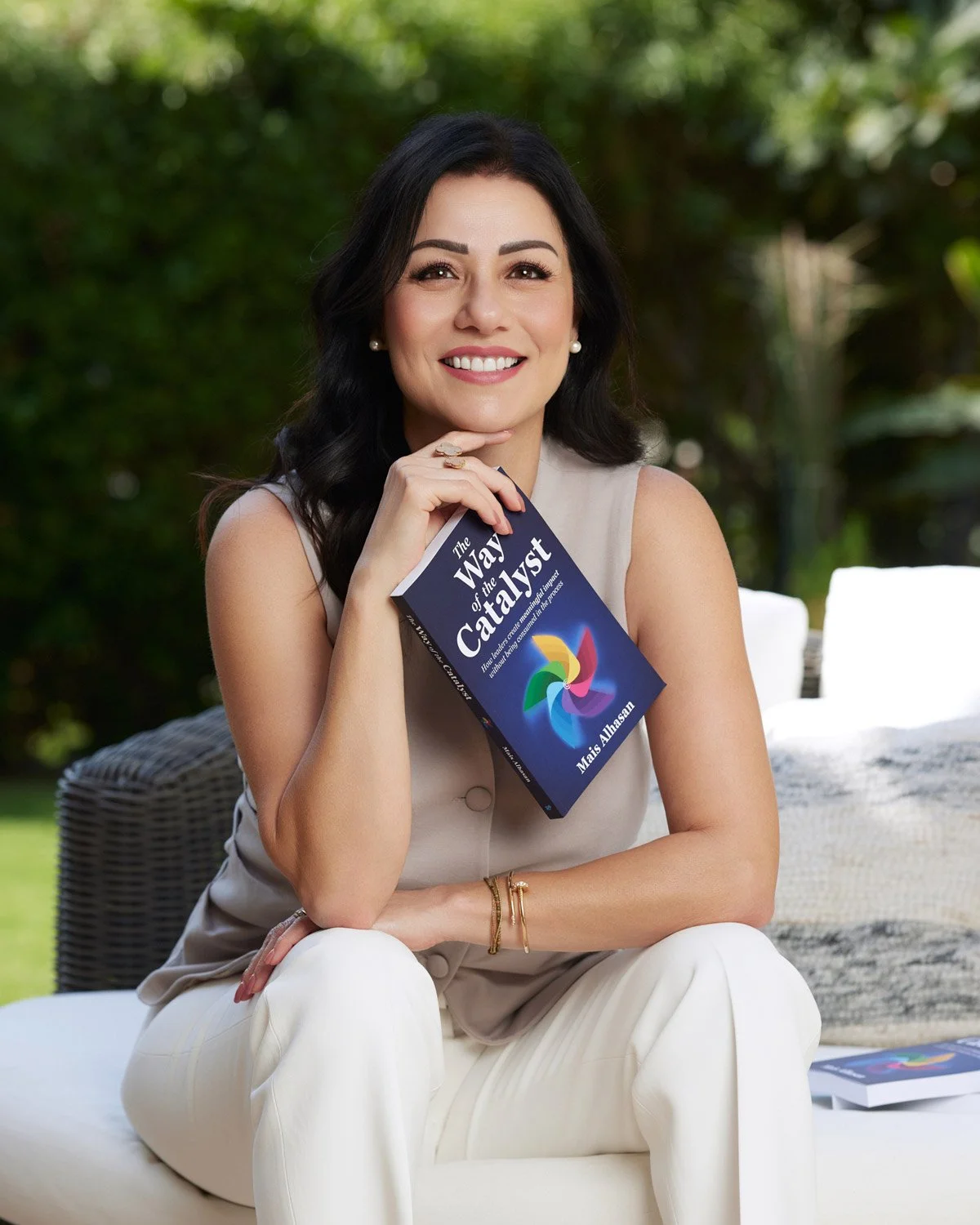
Authors, Artists, and Creatives
For authors, the editorial portrait appears on book jackets, reviews, and press features. A portrait with editorial weight secures those placements instead of being awkwardly cropped. For artists and musicians, a visual image that feels as intentional as their work tells the audience that their standards are high across the board.
Founders and Executives
In Dubai’s international business landscape, an executive portrait may be distributed to regional Arabic and English media, land on global LinkedIn networks, and feature in investor materials. The thought behind your portrait speaks before you do.
WHY CREATIVE & ART DIRECTION BEAT GEAR
Cameras and lighting gear get all the attention, but creative direction does the real work. What happens before anyone presses the shutter determines whether a portrait succeeds or fails.
Translating Brand into Imagery
Brand-focused photography starts with core strategy. I need to know what you lead, who you're targeting, and the specific image you need to project.
Your answers guide every choice on set, including location, lighting, styling, and direction. Instead of another generic, polished headshot, you end up with a tailored visual asset designed for press releases, websites, and media features.
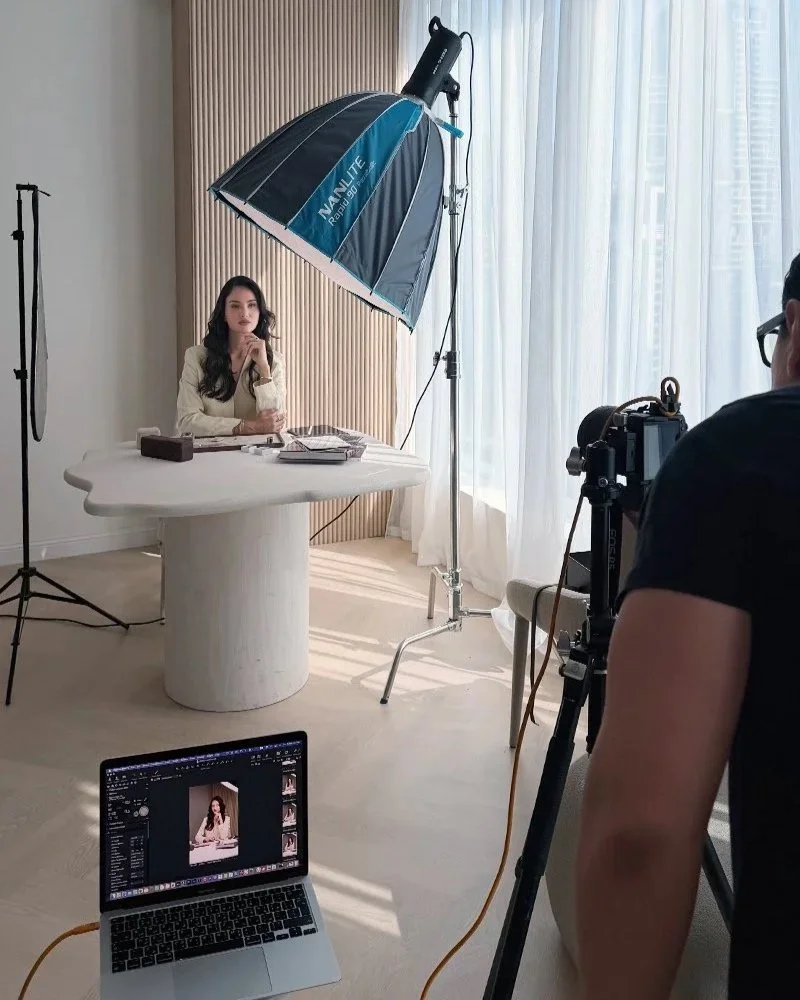
Changing the Final Result
Creative direction is about intent. It is the difference between a photographer who just shows up to snap what is in front of them, and someone who deliberately constructs a scene to tell a story.
With over 15 years in brand design and advertising, I bring a layer of strategy to the set that standard portrait shoots lack. I am not just reacting to light or pose: I am designing the frame so you show up exactly as your brand demands.
The result isn't just a polished photo; it's an asset that keeps working for you every time someone sees it.
Do you need an editorial brand Portrait?
Contact Edu Cornejo Photography for a free consultation or to book your business portrait session. Let’s get started!