What to Wear for a Corporate Headshot: An Executive Guide
Your corporate headshot is doing more work than you think. Princeton researchers proved that people decide if you are trustworthy in a tenth of a second, long before reading your title, bio, or social profiles. In the executive world, that instant reaction carries real commercial weight across company websites, pitch decks, media features, and keynote posters.
Understanding what to wear for professional headshots ensures your visual identity reflects your career level. Selecting the proper outfit lays the foundation for a commanding look, letting you show up relaxed, focused, and completely ready.
This guide gives you clear, strategic image direction. We will break down how tailoring, headshot colors, industry context, and Dubai’s heat work together on camera so you walk in completely ready for a high-impact corporate headshot session.
Dress For The Role You Want To Be Seen In
Stop dressing for the job you have. The most common misstep executives make is picking clothes for their current title instead of the authority they want to project next. High-end portraits require a deliberate strategy. Great business headshots should clearly express your personal brand with absolute precision. Your sector sets the foundation, your personal positioning elevates it, and your executive profile dictates how fine-tuned that balance needs to be.
Rule of thumb: Dress one step above what you wear on an average Tuesday. That sweet spot ensures your corporate headshot outfit hits the mark every time.
Match Your Wardrobe To Your Sector
Every industry plays by its own unwritten dress code, and the camera picks up on those visual cues instantly. Passing on those norms usually looks like a misfire rather than a visionary choice. Getting clear on what to wear for corporate headshots in your specific niche establishes clout the second someone sees your profile.
Recommended Attire by Industry
Finance and Banking: Dark suit, conservative tie, tailored blazer or structured jacket
Law and Legal: Navy or charcoal suit, pressed shirt, structured blazer for women
Tech and Startups: Elevated casual; sharp blazer, neat button-down, clean crew-neck
Real Estate: Professional blazer, polished button-down, tailored dress
Non-Clinical Healthcare: Soft blazer, neat blouse or collared shirt, earth tones
Aesthetic and Beauty:Crisp fitted blazer, monochromatic scrubs, or sleek smart-casual in clean neutrals or warm tones
Creative Industries: Expressive rich colors (like emerald, navy, or burgundy) paired with solid neutrals
Finance and law are still firmly formal. Show up in anything less than a tailored suit and people read it as sloppy, not approachable. Tech gives you room to breathe, but t-shirts and hoodies translate poorly in close-ups.
Align Clothing With Your Personal Brand
Your wardrobe should reinforce the professional identity you are building, not just mark you as another corporate executive. Ask yourself what three words you want someone to think when they see your professional headshots. A crisp navy jacket communicates authority and trust. A rich teal or deep plum feels creative, sharp, and refined.
Consider where the image will live most of the time. If it is bound for an investor deck, press kit, or annual report, err on the side of formal. If it sits alongside a warm bio on a team page or social profile, a structured jacket without a tie strikes a great balance between power and approachability. Let the resting place determine the outfit.
Choose Colors That Keep Attention On Your Face
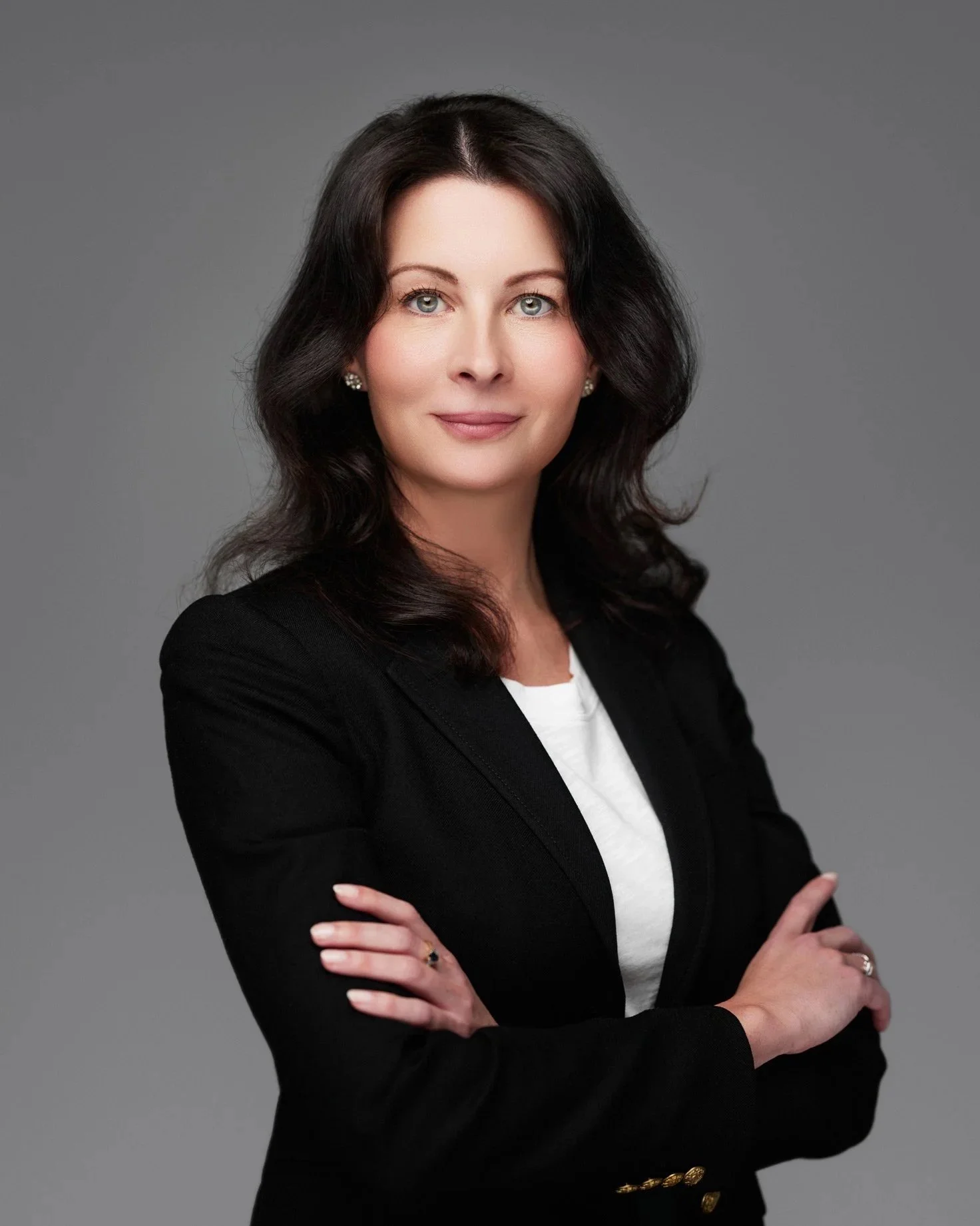
Picking the right colors for headshots ensures the viewer looks directly at your eyes instead of getting distracted by your jacket or backdrop. Under studio lighting, navy blue, charcoal gray, and deep jewel tones win every single time.
The right colors can make your features pop, not fight with them.
High-impact Headshots Colors
• Navy Blue (Universal Trust)
• Charcoal (Modern Structure)
• Deep Teal (Refined & Creative)
• Plum/Emerald (Rich Depth)
Stick to Solid Colors (And Skip the Prints)
Solid colors pull the eye right where it belongs: your face. Patterns do the exact opposite by scattering attention. Micro-stripes, tight checks, and tiny geometric prints also trigger visual distortion on camera sensors that even high-end editing rarely fixes. In a tight crop, anything fighting your expression for attention is a losing strategy.
Best Executive Colors and Undertones
Navy blue remains the gold standard for executive portraits. It translates flawlessly on camera, projects quiet authority without feeling harsh, and works with almost every backdrop. Charcoal gray anchors the frame and brings instant structure, while soft mid-tones like dusty blue, warm taupe, or muted sage work brilliantly in sectors where warmth matters just as much as authority.
Jewel tones introduce personality without looking unseemly, popping beautifully against deeper skin tones:
For cool undertones:Navy, deep emerald, and rich plum are hard to beat.
For warm undertones:Earthy greens, rust, and warm terracottas feel effortless.
Universal choices:Charcoal and teal look great on practically everyone.
Colors That Spell Trouble on Set
To avoid looking washed out or flat, keep these off your hanger:
Pure white: Blows out easily under studio lights, stealing focus from your face and draining pale complexions.
Pure black: Crushes shadow detail, turning your outfit into a featureless dark blob.
Neon and overly bright colors: Bounce harsh color casts right onto your jawline and chin, creating an editing nightmare.
Nude or skin-matching tones: Beige or light tan blends right into fair skin, erasing your jawline and softening your features.
Build A Clean, Tailored Executive Look
Fit is where most wardrobe choices fall apart. A high-end outfit in the wrong size looks messy on camera. Tailoring, structure, and fabric weight directly alter how authority comes across.

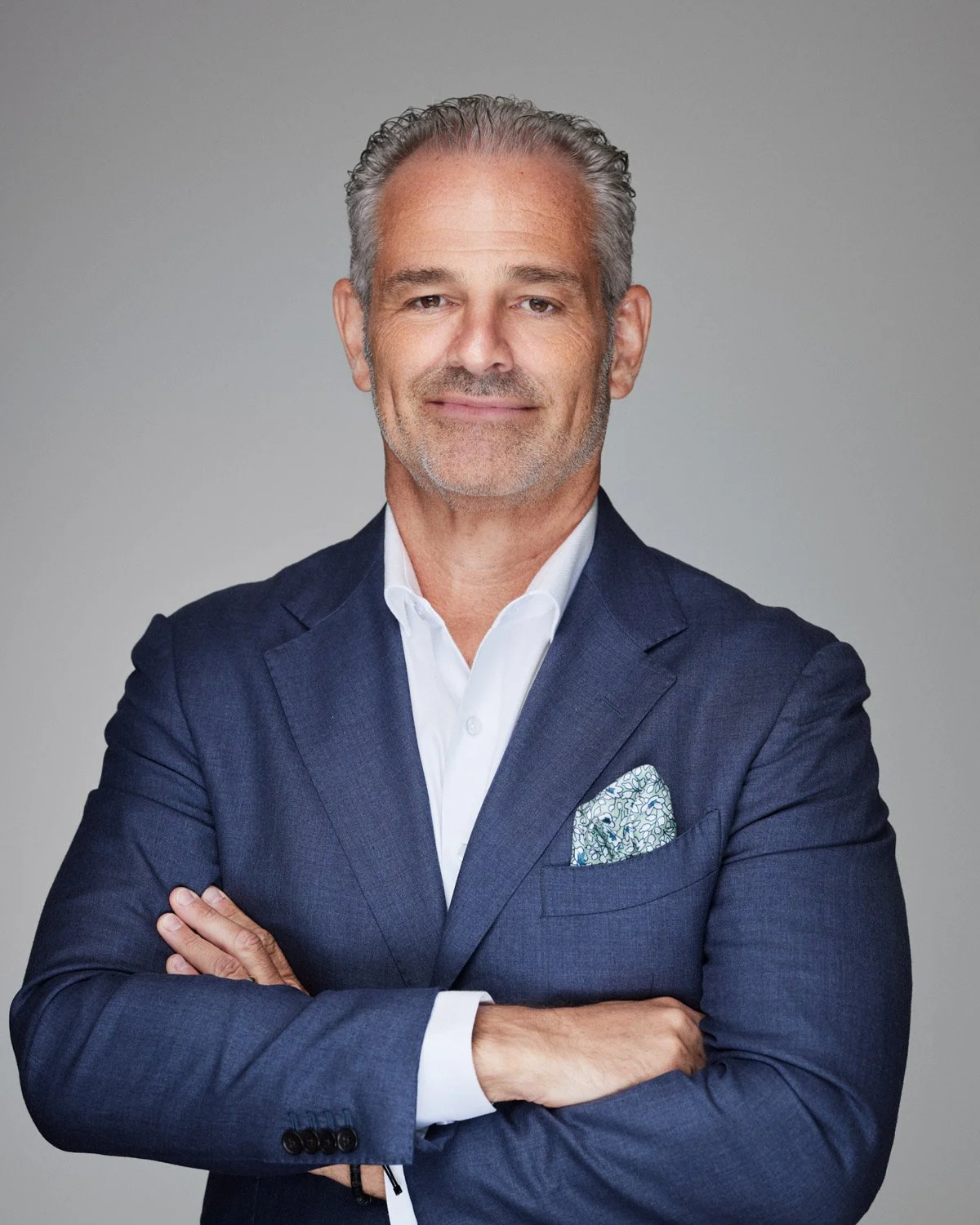
Ties are still the move for finance, law, and more traditional settings.
Headshot Outfit Formulas For Men
For corporate setups, you cannot beat the fundamentals: a well-fitted navy or charcoal suit jacket over a crisp, pressed shirt. If you work in law or finance, wear the tie. If you are leading a tech company, agency, or real estate firm, lose the tie; just make sure your collar stays sharp so you look current without sacrificing authority.
Watch the collar fit closely. It needs to rest flat against your neck without pulling or gaping. Skip bulky, heavily textured fabrics around your throat, as tight portrait frames magnify awkward bulk. Tailored or slim cuts will always photograph better than relaxed fits.
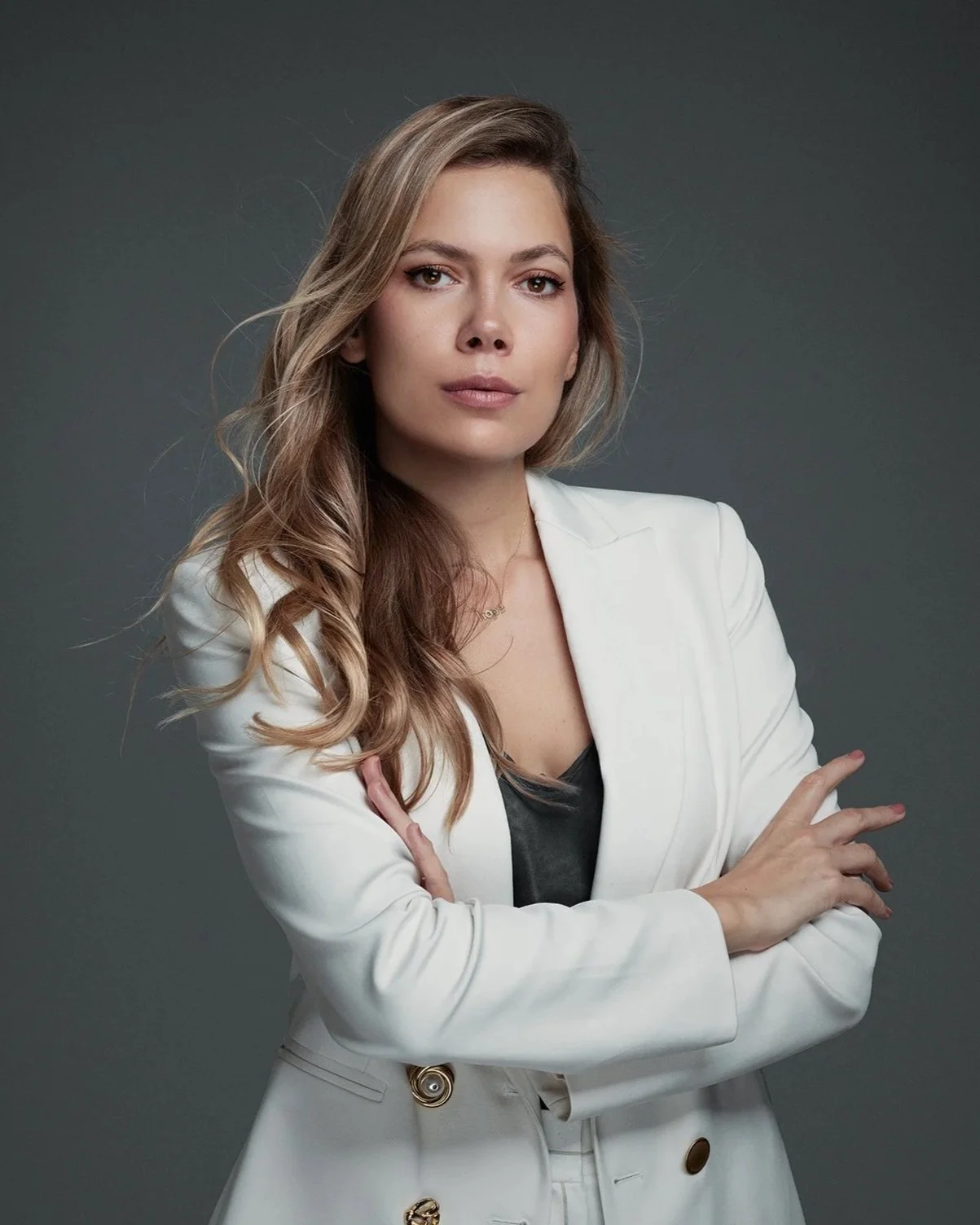
In business headshots, covered shoulders just read as more polished and won’t date the image as quickly.
Headshot Outfit Formulas For Women
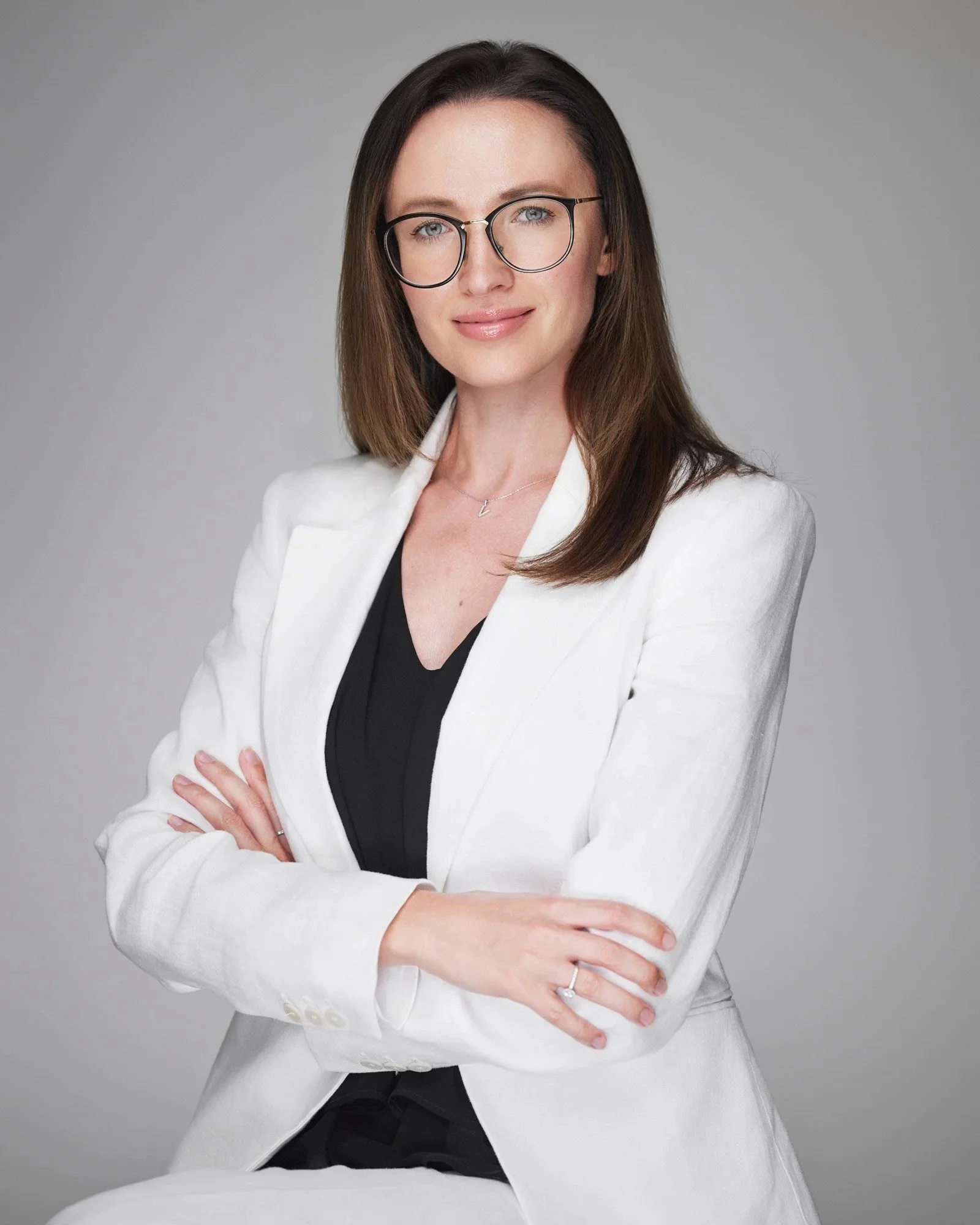
A structured blazer over a solid top, or a tailored suit jacket over a clean dress, is your best starting point. Pay attention to the neckline: a soft V-neck or simple scoop neck creates a smooth visual path toward your face, whereas high, crowded, or heavily ruffled necklines clutter the frame.
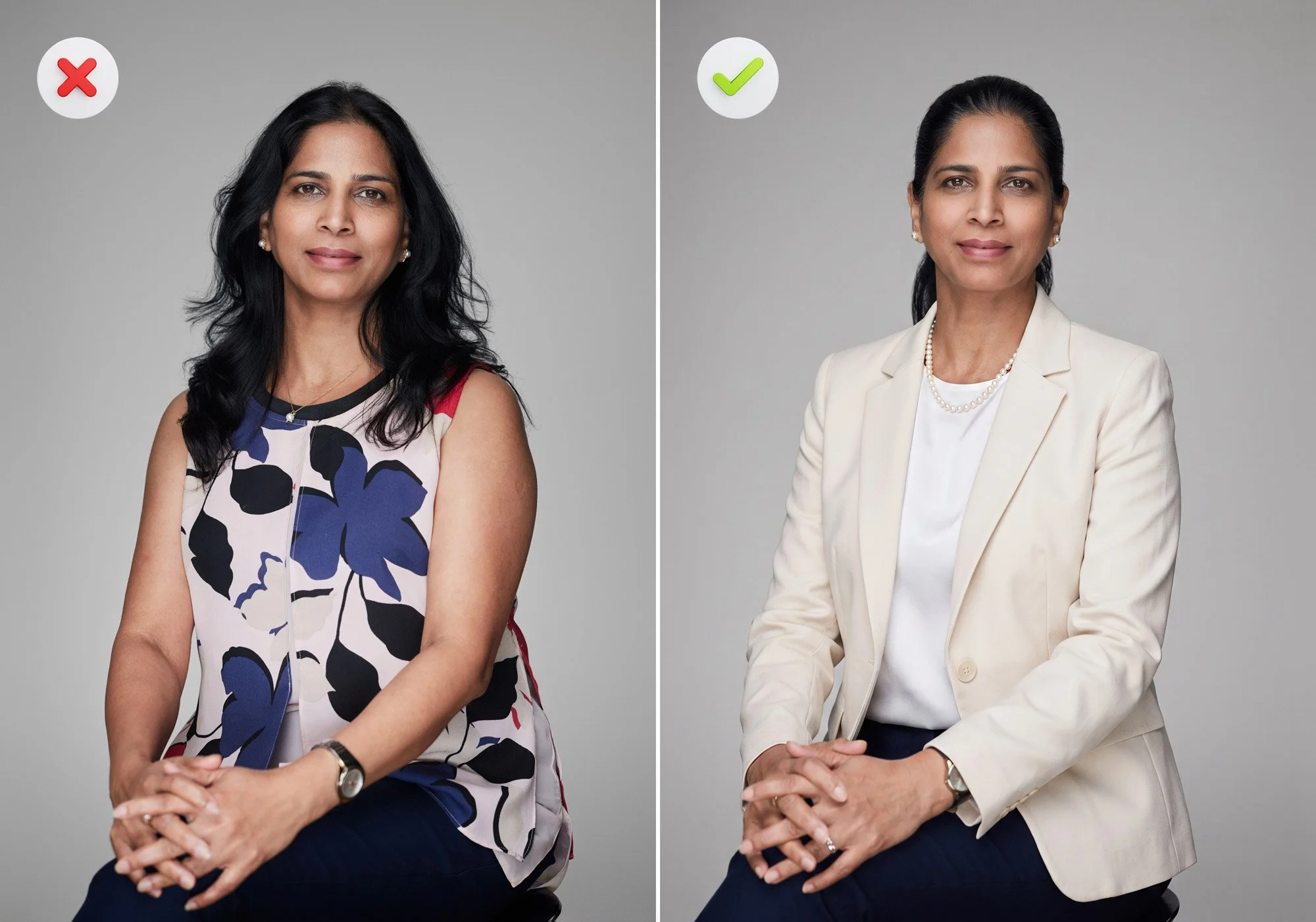
Skip sleeveless tops unless you are wearing a blazer over them. Covered shoulders project more authority in executive settings and stop your photo from dating quickly. For accessories, keep it simple. Understated studs or a clean pair of earrings add polish without drawing focus away from your eyes.
Fit, Fabric, and Handling Dubai’s Climate
Trend-driven pieces age your headshot fast. A timeless, well-tailored blazer holds up for years across board directories, keynote flyers, and media kits. Select matte fabrics, which absorb studio lighting evenly; shiny or synthetic materials bounce flashes back at the lens, creating awkward glare across your chest.
Shooting outdoors in Dubai's heat takes planning, but high temperatures should not mean ditching structure. Indoors, lightweight wools, linen blends, or breathable woven fabrics hold their shape well. If you are stepping outside for natural light, slip on a lightweight jacket right before the shutter clicks, shoot the frames, and take it off immediately after.
Steer Clear of Distractions On Camera
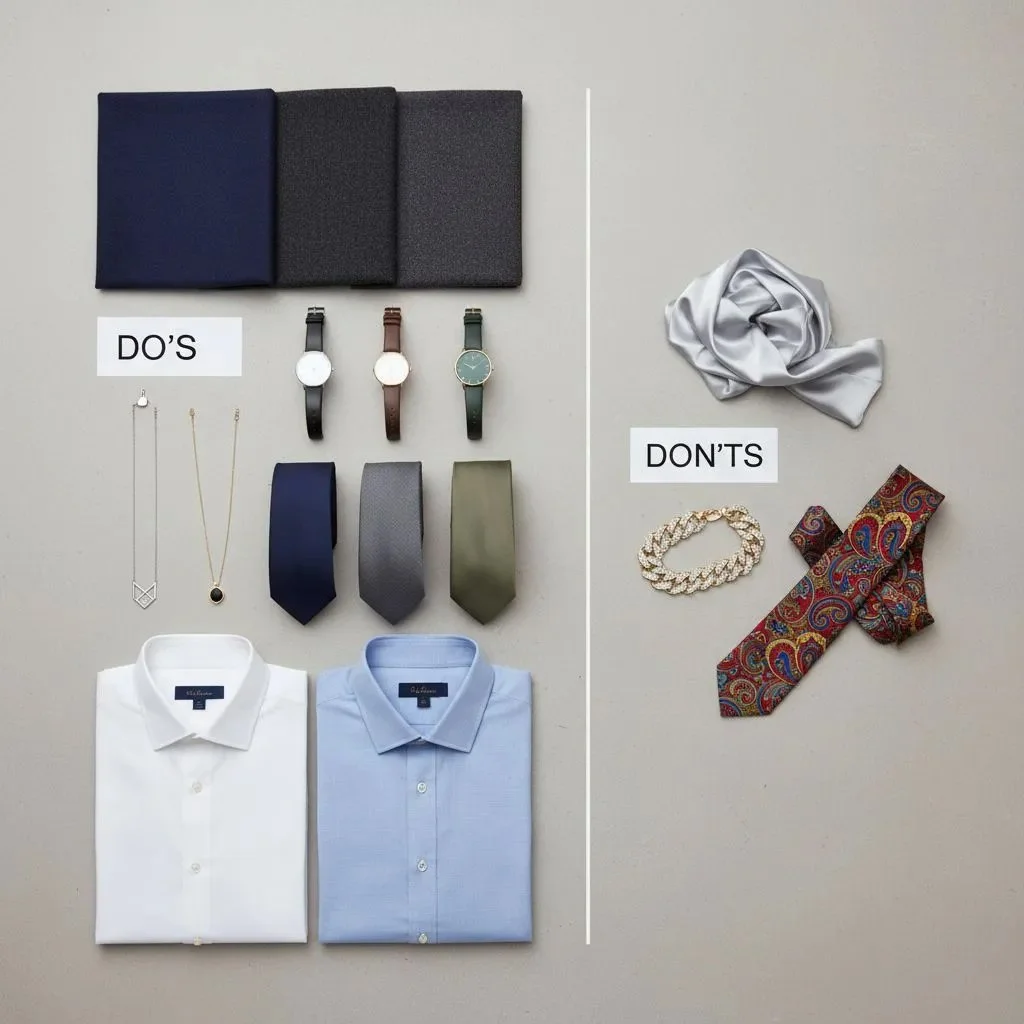
Portrait crops are unforgiving. Minor styling hiccups that go unnoticed at your desk become huge distractions on a screen. Your main goal is simple: eliminate anything fighting your face for attention.
Skip Logos and Branding: Explicitly avoid logos, trademarks, and graphic prints. You are the subject of the portrait, not the label on your chest.
Keep Necklines and Jewelry Restrained: Avoid heavy scarves or high collars that crowd your chin. Stick to minimal accessories like a sleek watch, understated studs, or a subtle tie pin.
Manage Contrast and Skin Shine: Avoid pairing a stark white shirt with a jet-black jacket to prevent harsh visual fragmentation. Soft contrast, such as charcoal over mid-blue, reads smoother. Stick to matte fabrics and use a light dusting of translucent powder to keep skin looking sculpted instead of slick under studio flashes.

A mid-blue shirt under a dark jacket reads smoother on camera than stark black and white.
Keep Grooming Polished And Camera-Ready
Your clothes frame the shot, but grooming makes or breaks the final image. Aim for a refined, natural version of your daily look.
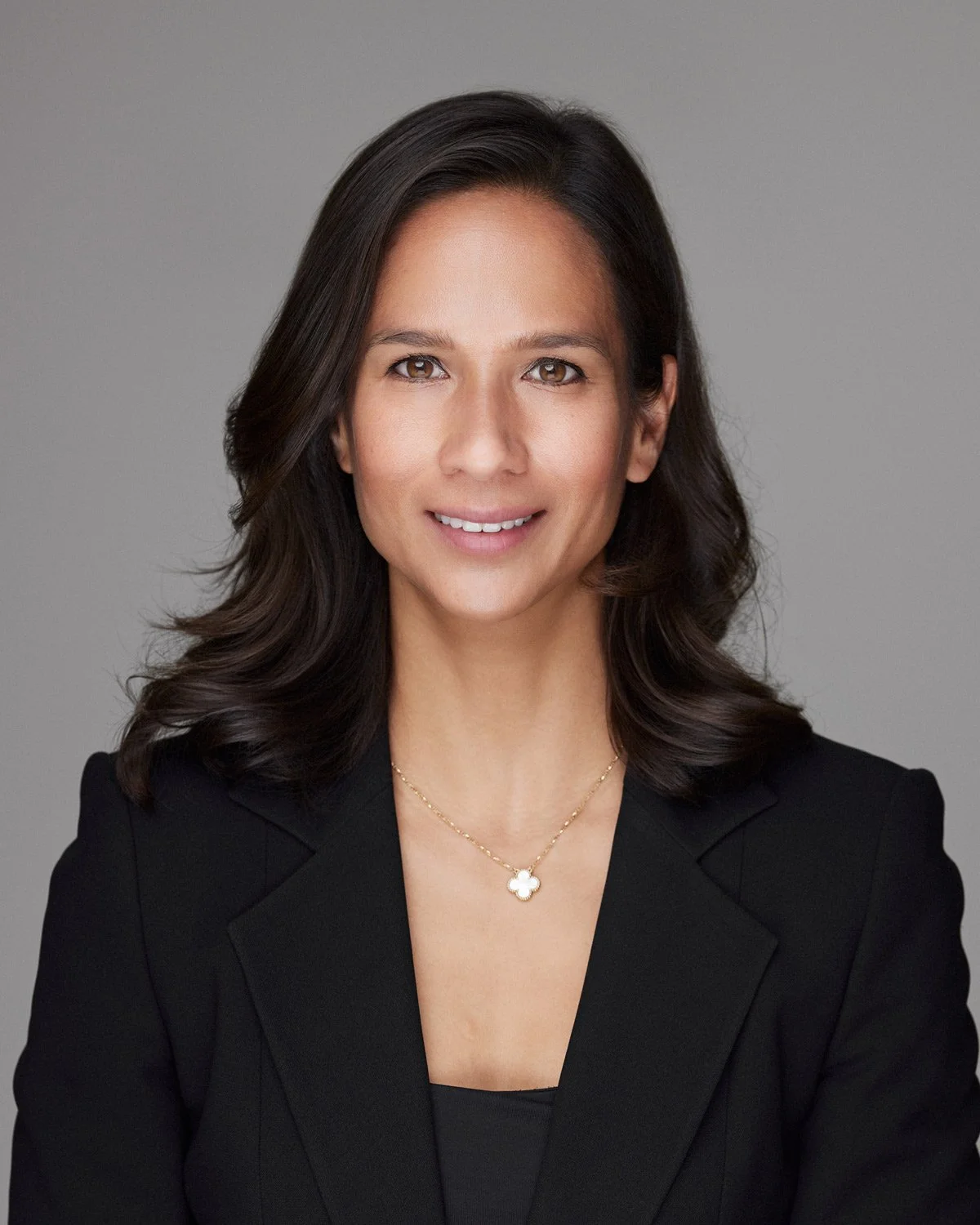
Refining Makeup and Hair
When applying makeup for headshots, focus on evening out your skin tone and adding enough definition so studio flashes do not wash you out:
Base:Use a light-to-medium coverage foundation with a matte primer to keep oil in check.
Eyes: Keep brows natural and use clean, non-clumping mascara for clear definition.
Lips: Choose a warm, flattering lip color like a soft rose, muted berry, or nude tint. Skip high-gloss formulas and ultra-dark lipsticks.
Hair:Get your hair cut or styled a few days beforehand. Fresh-out-of-the-chair haircuts can look stiff and unnatural on camera; giving it a day or two lets it settle naturally.
Matte finishes and subtle definition ensure high-powered studio lights refine your look rather than wash it out.
Plan Your Final Outfit Selection Before The Shoot
Showing up with your wardrobe locked in protects your mental bandwidth, allowing you to focus on posture, eye contact, and presence.
Pack Smart Backup Options and Test Backgrounds
Bring two or three carefully selected choices rather than a rack of random clothes: a primary outfit in navy or charcoal, a secondary option in a rich jewel tone, and a third that shifts formality slightly. Keep everything pressed and traveling on real coat hangers; never fold suit jackets into a bag, as close-up lenses pick up every crease.
Hold your top outfit picks against a wall that matches your planned studio backdrop. If your jacket blends into the wall, you will look like a floating head. You need clear, flattering contrast so you pop out from the background. An experienced photographer approaches headshots with an art director's eye, guiding you on how specific fabrics and colors will react under custom studio lighting.
Pre-Session Checklist
Run through this simple checklist the night before your shoot:
Primary outfit pressed, on a sturdy hanger, and lint-rolled
Two clean backup options packed on hangers (unfolded)
Outfits checked against a neutral wall in good light for contrast
Accessories edited down to one or two classic, understated pieces
Hair cut or styled a few days in advance so it looks settled
Touch-up powder, lip color, and grooming basics packed
7 to 8 hours of solid sleep locked in
Plenty of water consumed over the last 24 hours
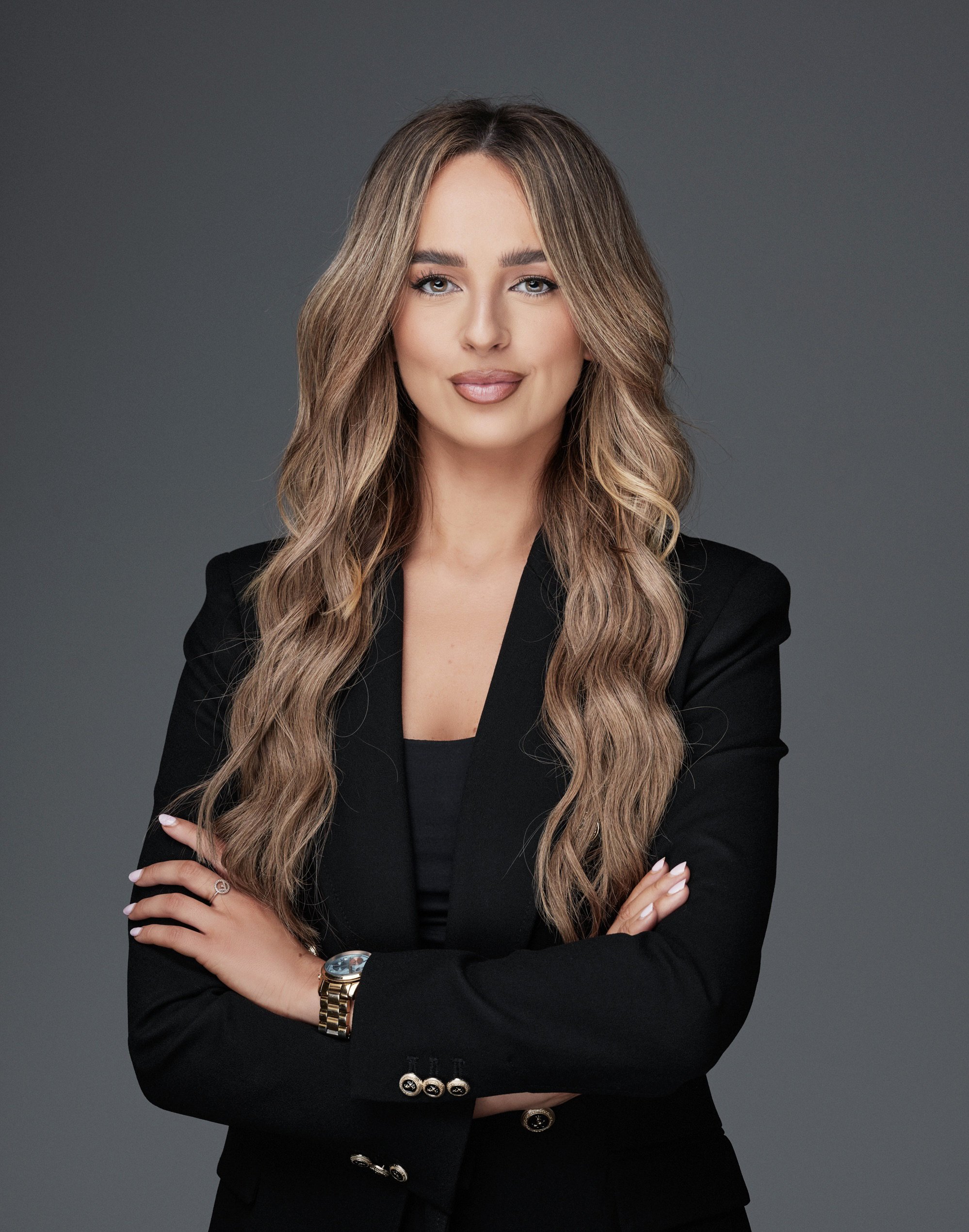
When your wardrobe choices are locked in ahead of time, shoot day becomes stress-free. You can walk into the studio relaxed, ready to capture an executive portrait that projects authority, warmth, and complete credibility.
Ready to Put This Wardrobe Strategy into Action?
Great wardrobe is only half the strategy. If you are ready to update your executive portrait and want experienced guidance to bring your visual strategy together, let’s connect. Reach out for a consultation or a custom quote, and let’s create an image that works for your brand.